
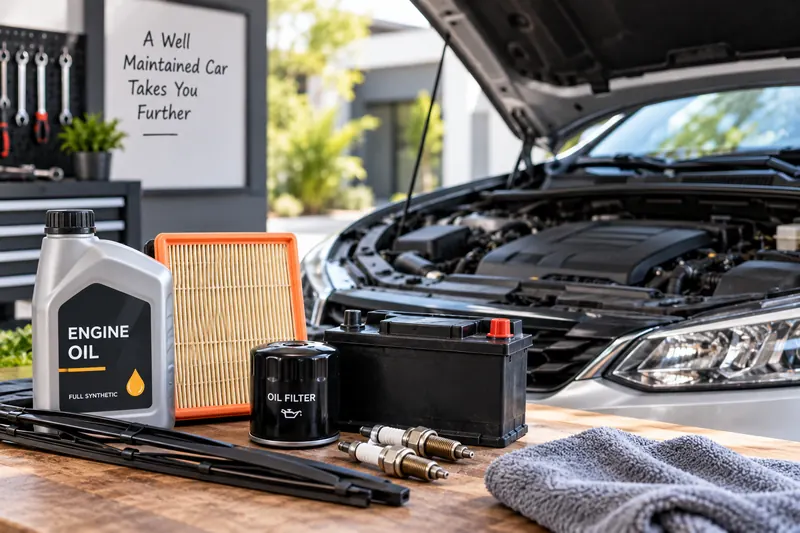
The cheapest car repair is often the one you prevent. Modern vehicles can go long intervals between services, which makes it easy to assume that nothing needs attention until a warning light appears.
The correct maintenance schedule is the one supplied by your vehicle manufacturer. The mistakes below are common because they feel harmless in the moment but can increase wear or turn a small issue into a larger bill.
1. Ignoring the owner’s maintenance schedule
Oil, filters, fluids, spark plugs, belts, and other items have service intervals based on the vehicle design. Following a generic schedule can mean servicing too often or not often enough.
Use the owner’s manual or manufacturer maintenance system as the primary reference.
2. Driving on underinflated tires
Low pressure can increase tire wear, heat buildup, rolling resistance, and fuel use. Pressure also changes with temperature.
Check tires when cold and inflate to the pressure on the vehicle placard, not the maximum pressure molded on the tire sidewall.
3. Postponing brake symptoms
Squealing, grinding, vibration, a soft pedal, or pulling under braking can indicate wear or a fault. Delaying inspection may damage additional components and can affect safety.
Have brake concerns checked promptly instead of waiting for the next scheduled service.
4. Ignoring small fluid leaks
A few drops on the driveway can be the first sign of a cooling, oil, brake, transmission, or power-steering issue. Some fluids are safety-critical.
Identify the fluid and source rather than repeatedly topping it up without repair.
5. Using the wrong oil or fluid
Vehicles specify viscosity, performance standards, coolant chemistry, transmission fluid, and other requirements. The wrong product may reduce performance or damage components.
Follow the exact specification in the manual or service information.
6. Skipping tire rotation and alignment checks
Tires can wear unevenly due to drivetrain layout, alignment, suspension condition, and driving habits. Rotation can help distribute wear when the manufacturer recommends it.
If the car pulls or a tire shows unusual wear, have alignment and suspension checked rather than simply replacing the tire.
7. Ignoring warning lights
A light does not always mean a catastrophic repair, but it means the vehicle has detected something worth attention. Continuing to drive with an oil-pressure or overheating warning can cause severe damage.
Learn the red and amber symbols in your owner’s manual before an emergency occurs.
8. Buying parts before diagnosing the problem
A diagnostic trouble code identifies a system or condition; it does not always identify the failed part. Replacing sensors based only on a code can waste money.
Proper diagnosis uses codes, measurements, service information, and testing to confirm the cause.
9. Using automatic washes or cleaners that are wrong for the finish
Harsh chemicals, stiff brushes, and incorrect products can damage paint, trim, wheels, or protective coatings.
Use products compatible with the material and follow any care instructions for wraps, matte paint, ceramic coatings, or specialty wheels.
10. Waiting for the battery to fail completely
A weak battery may give warning signs such as slow cranking and repeated jump-starts. Failure can leave you stranded and sometimes create low-voltage faults in electronics.
Have the battery and charging system tested before extreme weather or a long trip if the battery is aging or symptoms appear.
Spend on Maintenance, Not Guesswork
Preventive care is not about replacing everything early. It is about following the vehicle’s schedule, checking safety-critical items, and diagnosing symptoms before buying parts.
Frequently Asked Questions
Is the 3,000-mile oil change rule still necessary?
Not for many modern vehicles. Oil-change intervals vary widely by engine, oil specification, and operating conditions. Follow the manufacturer’s schedule.
What tire pressure should I use?
Use the cold-tire pressure on the vehicle placard, usually located on the driver-side door jamb or in the owner’s manual. Do not use the tire sidewall maximum as the normal target.
Can I ignore a check-engine light if the car feels normal?
A steady light may allow limited driving in some situations, but it still deserves diagnosis. A flashing light or poor running requires greater urgency.
How to Make a Maintenance Budget Without Guessing
Your owner’s manual is the starting point for scheduled maintenance. Build a simple record that includes the date, odometer reading, service performed and any symptoms that might need follow-up.
- Scheduled: list manufacturer-recommended inspections and fluid services for your actual engine and driving conditions.
- Condition-based: monitor tires, brakes, fluid leaks, noises and warning lights rather than waiting for a fixed mileage.
- Unexpected repairs: ask for the diagnosis, estimate, and which repairs are safety-critical before approving additional work.
A written service history can help prevent both skipped maintenance and unnecessary repeated work. Do not use a generic online interval if it conflicts with your vehicle’s manual.