
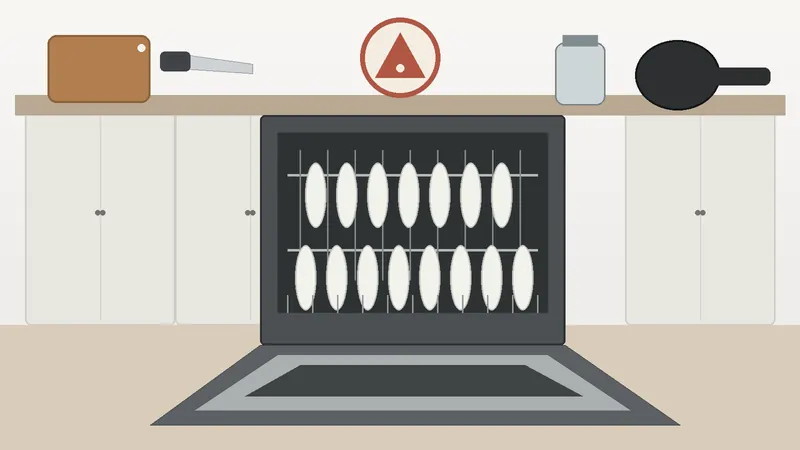
A dishwasher saves time, but not every kitchen item is designed for its heat, detergent, and water pressure.
A dishwasher is one of the most convenient appliances in the kitchen, but convenience can become expensive when the wrong item goes through a full wash cycle. Modern dishwashers combine hot water, strong spray action, detergent, and sometimes heated drying. That combination is excellent for everyday plates and sturdy glassware, yet it can be hard on delicate finishes, wood, sharp edges, protective coatings, and sealed containers.
The safest rule is simple: if an item is not clearly marked dishwasher-safe, check the manufacturer’s care instructions before loading it. When in doubt, hand washing usually takes only a few extra minutes and can add years to the life of cookware and kitchen tools. Here are ten items that are generally better kept out of the dishwasher.
1. Wooden Cutting Boards, Spoons, and Utensils
Wood and dishwashers are a poor match. Long exposure to hot water and humid air can make wood swell during the cycle and then shrink as it dries. Repeated cycles may lead to warping, cracks, splinters, or a rough surface. Wooden handles can also loosen if heat and moisture weaken the adhesives holding them in place.
Wash wooden boards, spoons, salad bowls, and utensils by hand with warm water and a small amount of dish soap. Do not leave them soaking in the sink. Dry them promptly and allow air to circulate around all sides. For unfinished wooden tools, occasional conditioning with a food-safe mineral oil can help reduce drying and cracking. Bamboo is often treated as more water-resistant than ordinary wood, but the care label should still decide whether it belongs in the dishwasher.
2. Cast-Iron Skillets and Cookware
A well-seasoned cast-iron pan has a thin layer of polymerized oil that helps protect the iron and creates a naturally low-stick cooking surface. Dishwasher detergent and a long hot wash can strip away that seasoning. Once bare iron is exposed to moisture, rust can appear quickly.
Clean cast iron by hand instead. In most cases, warm water and a brush or nonabrasive scrubber are enough. Dry the pan immediately, preferably while it is still warm, and apply a very light film of cooking oil if needed. Enameled cast iron is different: some manufacturers allow certain pieces in the dishwasher, while others recommend hand washing to preserve the enamel and finish. Always follow the instructions for your specific pan.
3. Sharp Kitchen Knives
Chef’s knives, paring knives, and other sharp blades are safer and better protected when washed by hand. Inside a dishwasher, a knife can rub against flatware, racks, or other objects, gradually dulling or nicking the cutting edge. Strong detergent can also affect some blade finishes and handle materials.
There is a safety issue too. A sharp blade hidden among dishes can be dangerous when someone unloads the machine. Wash quality knives one at a time with the blade pointed away from you, rinse them, and dry them immediately. This protects the edge, reduces the chance of corrosion, and helps wooden or composite handles last longer.
4. Copper, Brass, Pewter, and Other Reactive Metals
Decorative copper cookware and pieces made from brass, bronze, pewter, or similar metals can react poorly to dishwasher detergent and high temperatures. The surface may discolor, darken unevenly, lose its shine, or develop pitting. Aluminum can also discolor in some dishwasher conditions, especially when it is unfinished or disposable.
Hand washing gives you more control. Use mild dish soap, a soft sponge, and water that is warm rather than extremely hot. Dry the item right away to reduce water spots. If a piece has a special finish or lacquer, follow the maker’s cleaning instructions before using a metal polish or any abrasive cleaner.
5. Nonstick Pans Unless the Manufacturer Says They Are Dishwasher-Safe
Some modern nonstick cookware is labeled dishwasher-safe, but many manufacturers still recommend hand washing because repeated exposure to strong detergent, heat, and spray can shorten the life of the coating. Even when the coating does not visibly peel, it may gradually lose some of its smooth release properties.
For a nonstick pan, let it cool before washing, then use warm soapy water and a soft sponge. Avoid steel wool and aggressive scouring powders. The same caution applies to specialty ceramic-style coatings: check the care guide for the exact product rather than assuming every coated pan can handle the dishwasher.
6. Insulated Travel Mugs and Vacuum Containers
Double-wall mugs, bottles, and food containers depend on a sealed space between their inner and outer walls. If a product is not specifically marked dishwasher-safe, high heat and water can damage seals or allow moisture into areas that are meant to stay dry. That can reduce insulation performance and, in some designs, make the item difficult to clean properly afterward.
Wash insulated drinkware according to the manufacturer’s directions. Many models are best cleaned with warm soapy water and a bottle brush. Pay special attention to lids, valves, straws, and removable gaskets, where residue can collect. If the brand says the cup or lid is dishwasher-safe, follow the recommended rack placement.
7. Crystal and Delicate Glassware
Fine crystal, thin-stemmed glasses, heirloom glassware, and other delicate pieces can chip, crack, or become cloudy in a dishwasher. Heat, water chemistry, detergent, and contact with neighboring items can all contribute. Some glassware also develops permanent etching over time, which looks like a cloudy film but cannot simply be wiped away.
Hand wash valuable or delicate glasses in a padded sink or plastic basin to reduce the chance of impact. Use a mild detergent and avoid twisting the bowl and stem in opposite directions. Let the pieces drain on a soft towel, then dry or polish them carefully with a lint-free cloth.
8. Antique, Hand-Painted, or Metal-Rimmed China
Everyday ceramic plates may be perfectly dishwasher-safe, but antique china, hand-painted pieces, metallic trim, gold details, and irreplaceable serving ware deserve more caution. Strong detergent and repeated high-temperature cycles can fade decoration, dull metallic accents, or contribute to tiny cracks in older finishes.
If the piece is valuable, sentimental, or difficult to replace, hand washing is the conservative choice. Use mild soap, a soft sponge, and lukewarm water, then dry with a soft towel. For newer dishes, look for a dishwasher-safe mark or check the manufacturer’s instructions before deciding.
9. Thin, Disposable, or Unmarked Plastic
Hard plastics that carry a dishwasher-safe label are usually designed to tolerate dishwasher heat, especially when placed on the top rack. Thin takeaway containers, disposable plastic, and items without a dishwasher-safe indication are different. They can warp, shrink, soften, or move around during the cycle.
If you want to reuse a plastic container, first check its care markings. When dishwasher use is allowed, place it where it will be stable and away from the strongest heat source. If the plastic is flimsy, distorted, cracked, or intended for single use, hand washing—or replacing it with a reusable food-storage container—is the safer option.
10. Items With Glued Parts, Paper Labels, or Decorative Finishes
Dishwashers are hard on adhesives. Jar labels can loosen and break apart, while glued handles, decorative appliqués, and bonded components may weaken after repeated exposure to hot water. Loose label material can also end up inside the filter or around spray components. Hollow-handle utensils are another example: if the handle is bonded to the blade or shaft, dishwasher heat may shorten the life of the joint.
Remove labels before reusing jars in the dishwasher, and hand wash items that rely on glued decorative pieces or sealed joints unless their manufacturer specifically approves machine washing. A quick inspection before loading can prevent damage both to the item and to the dishwasher itself.
What Usually Can Go in the Dishwasher?
Most everyday ceramic plates and bowls, sturdy drinking glasses, stainless-steel flatware, silicone utensils, and hard plastics marked dishwasher-safe are commonly suitable for machine washing. Even then, correct loading matters: keep spray arms clear, secure lightweight items, place dishwasher-safe plastics where the manufacturer recommends, and avoid crowding pieces so tightly that water cannot reach the surfaces.
The care label always takes priority over a general rule. Two products that look nearly identical can use different coatings, glues, finishes, or plastics, so the manufacturer’s guidance is the best final check.
Frequently Asked Questions
Can a dishwasher ruin a wooden cutting board?
Yes. Repeated heat and moisture can make wood swell, warp, split, or lose its smooth finish. Hand washing and prompt drying are safer.
Is stainless steel dishwasher-safe?
Most ordinary stainless-steel flatware and kitchen tools are dishwasher-safe, but special finishes, bonded handles, and mixed-metal pieces may need different care. Check the maker’s instructions.
What happens if I accidentally put cast iron in the dishwasher?
The seasoning may be stripped and the iron may begin to rust. Dry the pan thoroughly, remove any rust, and re-season it according to the cookware manufacturer’s instructions.
Can I put plastic food containers in the dishwasher?
Only when they are marked dishwasher-safe or the manufacturer says they can be machine washed. Thin or disposable plastics may warp under heat.
Why do some glasses turn cloudy in the dishwasher?
Cloudiness can come from mineral deposits that may be removable, or from permanent glass etching caused by a combination of water chemistry, detergent, heat, and repeated washing.
The Bottom Line
A dishwasher is built for convenience, not for every material in your kitchen. A few seconds spent checking a label can save a favorite knife, cutting board, pan, or travel mug from unnecessary damage. Keep wood, cast iron, sharp knives, delicate finishes, and unapproved plastics out of the machine, and choose hand washing whenever an item is valuable, fragile, or not clearly marked dishwasher-safe.
A 30-Second Check Before Loading an Unfamiliar Item
Before washing a new kitchen item, check three things: the care label, the materials and the way the item is assembled. The label is the most useful evidence. A stainless-steel body does not automatically make a glued handle, painted decoration or insulated lid dishwasher-safe.
- Look for instructions: Check the underside, packaging or manufacturer’s care page. Some items have different rules for lids and containers.
- Consider the vulnerable part: Wood, adhesive joints, decorative coatings and sealed cavities can be more sensitive than the main body.
- Choose a safe fallback: If the instructions are missing and the object is valuable or difficult to replace, hand wash it and dry it promptly.
Keep a short note of which frequently used items are hand-wash-only. That is easier than asking everyone in the household to remember a different rule for each mug, knife or pan.
Sources and Further Reading
- Consumer Reports — Things You Should Never Put in the Dishwasher
- Whirlpool — What Is and Isn’t Dishwasher Safe?
- Whirlpool — How to Load a Dishwasher Properly